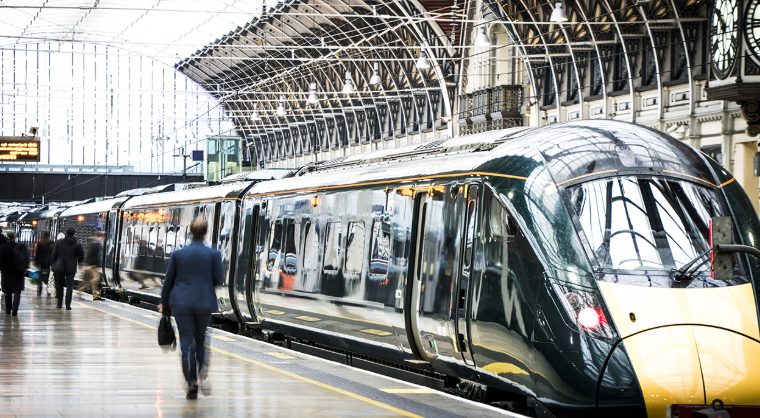
The integration of technology in public transportation marks a significant shift in how commuters engage with transit systems. Smart ticketing solutions streamline fare processes, while real-time transit information enhances scheduling accuracy. Additionally, the advent of electric and autonomous vehicles presents both environmental and economic benefits. Mobile applications further enrich the user experience by providing timely updates and intuitive interfaces. However, these advancements also raise questions about accessibility and infrastructure adaptability that merit further exploration.
Smart Ticketing Solutions
How can smart ticketing solutions transform the public transportation landscape?
By enabling contactless payments and seamless fare integration, these innovations enhance user experience and operational efficiency.
Passengers gain the freedom to navigate transit systems effortlessly, while agencies benefit from streamlined revenue collection.
Such advancements foster a more accessible and user-friendly environment, ultimately encouraging greater public transport utilization and reducing reliance on personal vehicles.
Real-Time Transit Information
What impact does real-time transit information have on the efficiency of public transportation systems?
Enhanced real-time tracking technology allows for precise data analysis, enabling transit authorities to optimize routes and schedules.
Passengers benefit from accurate arrival times, reducing wait periods and improving overall satisfaction.
This transparency fosters a sense of freedom, empowering users to make informed travel decisions and ultimately increasing public transportation usage.
Electric and Autonomous Vehicles
As public transportation systems increasingly adopt electric and autonomous vehicles, the potential for significant improvements in efficiency, sustainability, and user experience becomes evident.
Electric vehicle integration facilitates reduced emissions and operational costs, while autonomous fleet management enhances route optimization and safety.
These advancements not only promote environmental stewardship but also offer riders a more reliable and flexible transit option, aligning with the desire for freedom in mobility.
Mobile Apps and User Experience
Although many public transportation systems are integrating electric and autonomous vehicles, the role of mobile applications in enhancing user experience cannot be overlooked.
Effective interface design, driven by user feedback, is crucial for creating intuitive apps that streamline travel. Features such as real-time updates, route optimization, and payment integration empower users, providing them with the freedom to navigate public transport with ease and confidence.
Conclusion
In an era where technology seamlessly intertwines with daily commutes, the coincidence of innovation and user experience transforms public transportation. As passengers effortlessly navigate smart ticketing and real-time information, the presence of electric and autonomous vehicles signifies a future where sustainability meets convenience. This harmonious evolution not only enhances efficiency but also fosters a collective responsibility towards a greener planet. Ultimately, the advancements in public transit technology reflect a profound shift, bridging the gap between human needs and environmental stewardship.